Maybe you read it to your children. In the legend, hungry travelers started soup from a stone and convinced the villagers to contribute what they could, making enough to benefit the whole community. The UND Center for Community Engagement uses the tale to remind students, faculty, and community members what good can come if we all do our part.
We know that’s something you believe in, too. That’s why you support many worthy projects in the community.
As a co-chair of the Center’s Community Advisory Board, I believe in the role of the Center to make the legend happen. The Center connects students and faculty to projects in our community. Imagine students helping their geography professor map improvements in the Near North Neighborhood in Grand Forks, mentoring New Americans who have come here from places around the world, and helping market Special Olympics. These are the kinds of projects the Center for Community Engagement helps make happen through its Stone Soup Fund.
How can you help?
Local partners such as you make it possible to continue the Center’s program of matching needs in the community with student and faculty research and learning. The goal is to create a better Grand Forks and region and to help UND students learn what opportunities are available for them while they are here and after they graduate.
Why not see for yourself? We invite you to come to this year’s Stone Soup Awards Program and Luncheon Thursday, Nov. 8. Grand Forks Mayor Michael Brown and UND Vice President Susan Walton will be serving our special stone soup recipe. Community-university projects will be on exhibit, and awards will be presented to deserving individuals, a UND department, and community partners.
If you have any questions, please call the Center at 701.777.0675 or visit www.communityengagement.und.edu.
Kelly Greenlees, NRS, Grand Forks
We are nine Bremer Bank employees, working to make a difference in the lives of our communities. Join our conversation on topics faced by nonprofit organizations, events held in our markets and other trends and happenings in Minnesota, North Dakota and Wisconsin.
Showing posts with label nonprofits. Show all posts
Thursday, November 1, 2012
Wednesday, October 31, 2012
How Rude!
How rude! Seems winter isn’t letting fall have its day – out my front door recently anyway.
I’m sticking with fall yet, though, and hoping to see many friends and colleagues at the Minnesota Council of Nonprofits –Minnesota Council on Foundations Joint Conference in St. Paul on Nov. 1 & 2. A fantastic fall tradition for nonprofits in Minnesota!
I’ll be participating with three colleagues in a breakout session on Friday morning on a topic “near and dear” to us and perhaps to you too. If so, please join us! (We won’t be rude!)
Creative Problem Solving for Small, Community-Based Nonprofits: Challenges and Opportunities-- focuses on how small, community-based nonprofits throughout Minnesota, including many within immigrant and refugee communities, can best accomplish their important missions. Using Greater Minnesota and metro scenarios based on real examples, participants will explore key issues, challenges, potential solutions and opportunities. The panelists will provide their perspectives, identify possible resources and respond to questions. Designed to address start-ups and more established nonprofits, the goal is candid discussion and real problem solving.
Lois Schmidt, NRS, Willmar
I’m sticking with fall yet, though, and hoping to see many friends and colleagues at the Minnesota Council of Nonprofits –Minnesota Council on Foundations Joint Conference in St. Paul on Nov. 1 & 2. A fantastic fall tradition for nonprofits in Minnesota!
I’ll be participating with three colleagues in a breakout session on Friday morning on a topic “near and dear” to us and perhaps to you too. If so, please join us! (We won’t be rude!)
Creative Problem Solving for Small, Community-Based Nonprofits: Challenges and Opportunities-- focuses on how small, community-based nonprofits throughout Minnesota, including many within immigrant and refugee communities, can best accomplish their important missions. Using Greater Minnesota and metro scenarios based on real examples, participants will explore key issues, challenges, potential solutions and opportunities. The panelists will provide their perspectives, identify possible resources and respond to questions. Designed to address start-ups and more established nonprofits, the goal is candid discussion and real problem solving.
Lois Schmidt, NRS, Willmar
Tuesday, October 30, 2012
Invitation: Skills Based Summit
A special invitation from HandsOn Twin Cities!
As you know, our employees have always generously given their time and skills to make a difference in our community. To further strengthen our relationship with our community partners, we are thrilled to share with you a special initiative with HandsOn Twin Cities and other business partners to utilize skills-based volunteering and to provide our expertise to any nonprofit member who may benefit from assistance.
HandsOn Twin Cities is offering a Skills Based Summit – on November 16, 2012, from 8 a.m.-4:45 p.m. at the Mall of America. On this day, companies will come together to engage directly with staff, nonprofit board members, and volunteers from Minnesota nonprofits, schools, and faith-based organizations. These business volunteers will lead group workshops on a variety of topics along with smaller consultation sessions for more specific requests.
Registration for this event is $25* and the registration form can be accessed on the HandsOn Twin Cities website: www.handsontwincities.org. *For those organizations that wish to register multiple people (3 or more), a limited amount of scholarship assistance may be available. If you’re interested, please contact Dave at 612-379-4900 ext. 10.
If you have any other questions/concerns, please feel free to contact Zeeda at 612-379-4900 ext. 13 or Zeeda@handsontwincities.org.
As you know, our employees have always generously given their time and skills to make a difference in our community. To further strengthen our relationship with our community partners, we are thrilled to share with you a special initiative with HandsOn Twin Cities and other business partners to utilize skills-based volunteering and to provide our expertise to any nonprofit member who may benefit from assistance.
HandsOn Twin Cities is offering a Skills Based Summit – on November 16, 2012, from 8 a.m.-4:45 p.m. at the Mall of America. On this day, companies will come together to engage directly with staff, nonprofit board members, and volunteers from Minnesota nonprofits, schools, and faith-based organizations. These business volunteers will lead group workshops on a variety of topics along with smaller consultation sessions for more specific requests.
Registration for this event is $25* and the registration form can be accessed on the HandsOn Twin Cities website: www.handsontwincities.org. *For those organizations that wish to register multiple people (3 or more), a limited amount of scholarship assistance may be available. If you’re interested, please contact Dave at 612-379-4900 ext. 10.
If you have any other questions/concerns, please feel free to contact Zeeda at 612-379-4900 ext. 13 or Zeeda@handsontwincities.org.
Monday, October 29, 2012
Social Media can Level the Playing Field
The influence of social media grows and grows. As we approach Give to the Max Day in Minnesota, this article reminds us that social media can "level the playing field" between small and large communities. The info graphics in this article shout the story.
Read the complete article: http://social.razoo.com/2012/10/infographic-how-social-media-influences-giving/
Myrna Meadows, NRS, International Falls
Read the complete article: http://social.razoo.com/2012/10/infographic-how-social-media-influences-giving/
Myrna Meadows, NRS, International Falls
Wednesday, October 24, 2012
Area Youth Gain Awareness of Financial Services Careers and Personal Finances
To most young people terms such as "fixed term loan" or "trade lines" may sound like foreign language. This is not the case for the 15 west central Wisconsin youth who recently completed the Workforce Resource, Inc. (WRI) Financial Services Career Academy. These young people now understand such terms. They can also better manage their own personal finances, identify career opportunities and comprehend the expectations of employers in the financial services industry.
The Workforce Resource Financial Services Career Academy debuted this summer, joining other Career Academy offerings including manufacturing, healthcare, green jobs, bio-tech and agribusiness. These Career Academies are part of the Summer Work Education and Training program for youth operated by Workforce Resource. WRI operates this and other workforce programs on behalf of the West Central Wisconsin Workforce Development Board.
Over a period of six days these young people were able to benefit from the experience and knowledge of financial services professionals Maltee McMahon and Mark Kalscheur from Bremer Bank, Jake Kuester from WESTconsin Credit Union, Betty Laskowski and Mary Ginder from RCU. These volunteers provided insights into the workings of their industry, the career opportunities available, the skills required, as well as the education, training and career pathways available to those interested in the field.
Considerable time was also devoted to training participants in the essential elements of personal financial management. Personal finance is an integral component of the Summer Work Education and Training Program, and made a perfect match for inclusion into the Financial Services Career Academy. Coupled with the Summer Youth program traditional focus on building work readiness through paid work experience, the Financial Literacy component recognizes that, in today's world, managing one's money is nearly as important as earning it.
Volunteer instructor Mark Kalscheur, Sales Manager for Bremer Bank in Menomonie, noted, "Over the years I have seen too many young adults ruin their financial future due to not understanding what they were getting involved in or not understanding the importance of paying their bills on time." Kalscheur believes financial literacy is a benefit for other aspects of a person's life. "Financial stress can cause problems in a household and especially in a relationship." Kalscheur says, "Taking advantage and understanding financial opportunities can help elevate this stress."
Maltee McMahon, Bremer Nonprofit Resource Specialist and Workforce Development Board member, noted "It is a great way for the bank to continue to support nonprofits locally. As a Workforce Development Board member, this is my way of supporting what the organization does." McMahon added, "We talked about goals and thinking big. I hope they learned that their goals are achievable and it's OK to think big and be innovative."
In addition to the information provided by these professionals through applied learning classroom activities, the young people got to observe activities in the local finance industry first-hand with a tour of WESTconsin Credit Union in Menomonie. Another highlight of the program came through a tour of the Bremer Bank Corporate headquarters in St. Paul, Minn., followed by the Minneapolis Federal Reserve Bank, which provides comprehensive services to financial institutions throughout its five-state region. Through these activities, the participants observed a wide range of financial service activities and occupations. They completed applications for financial services positions through the local institutions and were informed of the skills requirements for many of these positions as well as the expectations these employers have for individuals considered for jobs in the financial services industry.
Grants to support the Financial Academy came from the Otto Bremer Foundation, the Community Foundation of Dunn County and annual funding from the Federal Workforce Investment Act.
For more information about the Youth Career Venture Academy, contact the local Workforce Resource Office (located in area Job Centers) at 1-800-472-5522 or www.workforceresource.org.
The Workforce Resource Financial Services Career Academy debuted this summer, joining other Career Academy offerings including manufacturing, healthcare, green jobs, bio-tech and agribusiness. These Career Academies are part of the Summer Work Education and Training program for youth operated by Workforce Resource. WRI operates this and other workforce programs on behalf of the West Central Wisconsin Workforce Development Board.
Over a period of six days these young people were able to benefit from the experience and knowledge of financial services professionals Maltee McMahon and Mark Kalscheur from Bremer Bank, Jake Kuester from WESTconsin Credit Union, Betty Laskowski and Mary Ginder from RCU. These volunteers provided insights into the workings of their industry, the career opportunities available, the skills required, as well as the education, training and career pathways available to those interested in the field.
Considerable time was also devoted to training participants in the essential elements of personal financial management. Personal finance is an integral component of the Summer Work Education and Training Program, and made a perfect match for inclusion into the Financial Services Career Academy. Coupled with the Summer Youth program traditional focus on building work readiness through paid work experience, the Financial Literacy component recognizes that, in today's world, managing one's money is nearly as important as earning it.
Volunteer instructor Mark Kalscheur, Sales Manager for Bremer Bank in Menomonie, noted, "Over the years I have seen too many young adults ruin their financial future due to not understanding what they were getting involved in or not understanding the importance of paying their bills on time." Kalscheur believes financial literacy is a benefit for other aspects of a person's life. "Financial stress can cause problems in a household and especially in a relationship." Kalscheur says, "Taking advantage and understanding financial opportunities can help elevate this stress."
Maltee McMahon, Bremer Nonprofit Resource Specialist and Workforce Development Board member, noted "It is a great way for the bank to continue to support nonprofits locally. As a Workforce Development Board member, this is my way of supporting what the organization does." McMahon added, "We talked about goals and thinking big. I hope they learned that their goals are achievable and it's OK to think big and be innovative."
In addition to the information provided by these professionals through applied learning classroom activities, the young people got to observe activities in the local finance industry first-hand with a tour of WESTconsin Credit Union in Menomonie. Another highlight of the program came through a tour of the Bremer Bank Corporate headquarters in St. Paul, Minn., followed by the Minneapolis Federal Reserve Bank, which provides comprehensive services to financial institutions throughout its five-state region. Through these activities, the participants observed a wide range of financial service activities and occupations. They completed applications for financial services positions through the local institutions and were informed of the skills requirements for many of these positions as well as the expectations these employers have for individuals considered for jobs in the financial services industry.
Grants to support the Financial Academy came from the Otto Bremer Foundation, the Community Foundation of Dunn County and annual funding from the Federal Workforce Investment Act.
For more information about the Youth Career Venture Academy, contact the local Workforce Resource Office (located in area Job Centers) at 1-800-472-5522 or www.workforceresource.org.
Thursday, October 18, 2012
Congratulations to the Graduates
Congratulations to the graduates of the Volunteer Impact Leadership Training which was held on October 2-3 at the Brainerd Bremer Bank. This training was sponsored by MAVA-Minnesota Association for Volunteer Administration funded through a grant by the Otto Bremer Foundation. Bremer and MAVA believe that volunteers are a critical resource for healthy communities and the capacity to engage and mobilize volunteers is essential to organizations today. Effective volunteer programs can support a nonprofit’s mission and expand its overall impact and outreach. The training consisted of eight modules: Capturing Volunteer Motivation and Conducting Effective Interviews, Planning for Retention, Recruiting Volunteers, Supervising Volunteers, Recognizing Volunteers, Managing Risk, Position Your Volunteer Program for Success and Singing Your Praises…Measuring Your Impact.
The trainers were: John Pribyl, Deb Anderson, Janene Riedeman and Mary Quirk.
Here are the graduates!
Amy Wyant, NRS, Brainerd
The trainers were: John Pribyl, Deb Anderson, Janene Riedeman and Mary Quirk.
Here are the graduates!
Amy Wyant, NRS, Brainerd
Tuesday, October 16, 2012
Building Healthy Communities in NW Wisconsin
The digitized radiography suite ($275,000) that will be funded by the generous $60,000 grant from the Otto Bremer Foundation, the Burnett Medical Center Foundation, and the Burnett Medical Center funds will be a wonderful step in updating this portion of their medical services. This equipment will facilitate faster consulting by any medical staff, regardless of location as well as greatly enhancing abilities to read the results immediately and with varying degrees.
This equipment will eliminate the need for transporting and storing the large old format x-ray films and the new equipment will utilize less radiation in the process of doing the needed work. Currently facility modification plans are being finalized for State approval and plans to install the new equipment and begin utilization are scheduled for late this winter.
Maltee McMahon, NRS, Wisconsin
This equipment will eliminate the need for transporting and storing the large old format x-ray films and the new equipment will utilize less radiation in the process of doing the needed work. Currently facility modification plans are being finalized for State approval and plans to install the new equipment and begin utilization are scheduled for late this winter.
Maltee McMahon, NRS, Wisconsin
| Charlie Faught (CFO of the Medical Center), Tammy and Kelly of Siren Branch Bremer Bank, Alyssa Ryan (BMC Marketing), Don Erickson (BMC Foundation President) |
Tuesday, October 9, 2012
4th Nonprofit Expo in Morris a Success
In my opinion, collaborating, partnering, and sharing resources are critical to the success of community projects. We saw that happen September 17 at the 4th Nonprofit Resource Expo/Healthy Community Event in Morris, Minn.
The previous three years the Nonprofit Expo was a stand alone event sponsored by Resource Connections (a loose knit group of nonprofits with a fiscal agent). The first year we figured about 200 -250 attended the Expo, but the following two years the attendance was poor (the weather didn’t cooperate for one of the years)!
We decided after the last Expo that we would find another community event to tie into. The event we chose was Parent’s Night at the Elementary and High School, which made sense since our location was the High School Auditorium. We also talked to the University’s Office of Community Engagement and asked if they would have their monthly community meal the same evening, which they agreed to do.
The Nonprofit Expo now falls under the auspice of the Morris Area Chamber of Commerce so we gained the advantage of their marketing and expertise which was an added benefit as well.
Last week we had 31 nonprofits and health-related vendors at the event sharing information – we had six presentations and/or demonstrations on everything from “distracted driving” to a “spin bike” demonstration – and we served over 300 ice cream sundaes to attendees. I also heard the Sons of the American Legion picked up two new members.
We’ve learned many lessons over the past years and we learned a few more last week, but the key is to work together and share resources whenever possible!
Holly Witt, Alexandria NRS
Tuesday, October 2, 2012
Feeding Children Here and Abroad
Bremer Bank contributed funds and Bremer employees donated time to the Feed My Starving Children packing event August 28-29 in Morris, MN. Seven Bremer employees, along with nearly 1,000 volunteers helped pack 233,280 meals which will feed 639 kids for a year! It’s an amazing experience packing CHICKEN, SOY, VEGETABLES, & RICE into bags that you know is going to help keep children in third world countries alive. We commented as we packed, how fortunate we are and how thankful we should be for the food we often take for granted.
And yet….there are children in our own community who don’t have enough to eat. The Morris Area Elementary BackPack Program began this fall and is on its second week sending home a bag of non-perishable food items to almost 100 children in the school district each Friday. The program was initiated in response to Bremer’s Annual Taking Action to End Hunger Campaign. The Stevens County Food Shelf is serving as fiscal agent for the program and the local FFA advisors and students are packing and distributing food to the eligible children on Fridays. The community has gotten behind this project and it has attracted donations from a number of local businesses. Community groups are now asking – can we help package food??
Holly Witt, NRS, Morris
And yet….there are children in our own community who don’t have enough to eat. The Morris Area Elementary BackPack Program began this fall and is on its second week sending home a bag of non-perishable food items to almost 100 children in the school district each Friday. The program was initiated in response to Bremer’s Annual Taking Action to End Hunger Campaign. The Stevens County Food Shelf is serving as fiscal agent for the program and the local FFA advisors and students are packing and distributing food to the eligible children on Fridays. The community has gotten behind this project and it has attracted donations from a number of local businesses. Community groups are now asking – can we help package food??
Holly Witt, NRS, Morris
Thursday, September 27, 2012
The Old-Fashioned Way of Communicating Meets Technology
I am listening to the nonprofit buzz in the room at a recent GiveMN training held at Central Lakes College and funded by the Otto Bremer Foundation. Executive directors are developing their organization’s page and brainstorming names with staff members for project pages. I can not believe that in 2009, $14 million was raised for the first ever Give to the Max Day. This is the largest day of giving event in the world, yes IN THE WORLD and guess where it started? In our great state of Minnesota.
Technology has sure changed the way donors interact and support the causes they believe it. To quote Dana Nelson, executive director of GiveMN, “the GiveMN site is like the Google of Minnesota Nonprofits.” How cool is that? Did you know that if you add a video to your messaging that you raise almost four times the amount of money? Each time you add a “click” to your communications with your audience, you lose half your audience.
According to Dan Moore, development and partnerships manager for GiveMN, this is common knowledge in the digitial social media technological society that we now live in where people my kids’ age toss around terms widgets and QR codes like I used to say Walkmans and floppy discs. There is conversation about building a data base of email addresses and it all comes back to relationship building. So we are sitting face-to-face with our GiveMN trainers, who have been fielding questions the ENTIRE time they were here.
So in this day of electronic wizardry and de-personalization that our current society seems to value, I must still subscribe that interpersonal communication and the old-fashioned way of teaching and being in the same room with each other is still one of the best ways to learn and grow.
Amy Wyant, NRS, Brainerd
Technology has sure changed the way donors interact and support the causes they believe it. To quote Dana Nelson, executive director of GiveMN, “the GiveMN site is like the Google of Minnesota Nonprofits.” How cool is that? Did you know that if you add a video to your messaging that you raise almost four times the amount of money? Each time you add a “click” to your communications with your audience, you lose half your audience.
According to Dan Moore, development and partnerships manager for GiveMN, this is common knowledge in the digitial social media technological society that we now live in where people my kids’ age toss around terms widgets and QR codes like I used to say Walkmans and floppy discs. There is conversation about building a data base of email addresses and it all comes back to relationship building. So we are sitting face-to-face with our GiveMN trainers, who have been fielding questions the ENTIRE time they were here.
So in this day of electronic wizardry and de-personalization that our current society seems to value, I must still subscribe that interpersonal communication and the old-fashioned way of teaching and being in the same room with each other is still one of the best ways to learn and grow.
Amy Wyant, NRS, Brainerd
| The crowd. |
| Learning to add "Give to the Max Day" to their sites. |
| GiveMN Executive Director Dana Nelson |
| Working on their sites. |
Tuesday, September 25, 2012
Habitat Women Build 2012
Bremer Bank St. Cloud is proud to be a major sponsor of Habitat’s Women Build 2012 and was recognized at its ground-breaking event on August 3, to celebrate with Hussein Bati’s family (pictured below). Bremer recognizes the serious issue around lack of affordable housing in St. Cloud and in particular for larger families with children.
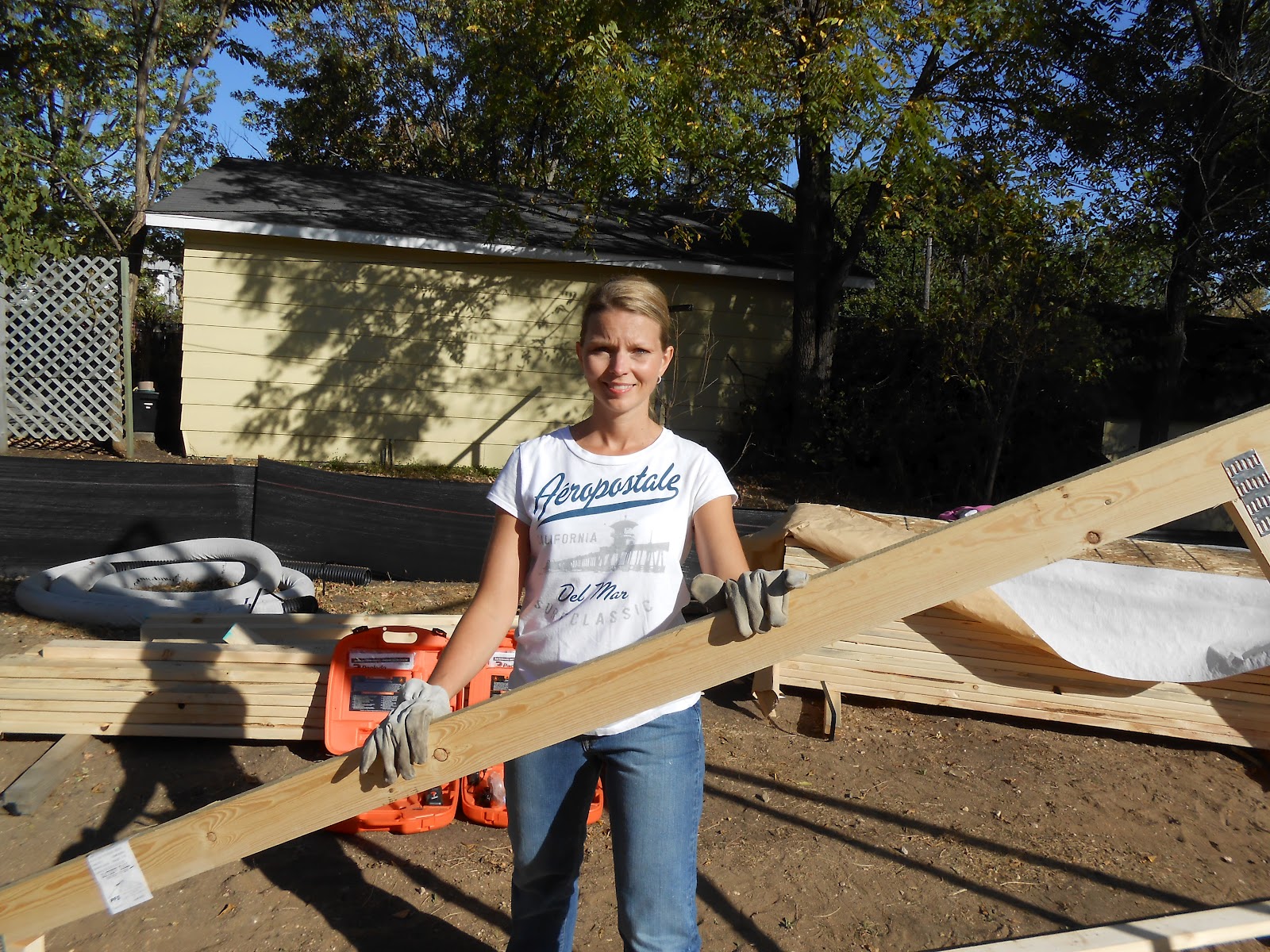
Women build celebrates people working together in community…..building community. In addition to Bremer’s financial contribution, our employees look forward to volunteering for this project every year. Thursday, Sept. 13, was Bremer’s Build Day. Below are photos of our employees working to build a home.
To learn more about Hussein and his family, visit: http://cmhfh.org/pages/HusseinBatiandAnabHassan.
Kathy Grochow, NRS, St. Cloud
Women build celebrates people working together in community…..building community. In addition to Bremer’s financial contribution, our employees look forward to volunteering for this project every year. Thursday, Sept. 13, was Bremer’s Build Day. Below are photos of our employees working to build a home.
To learn more about Hussein and his family, visit: http://cmhfh.org/pages/HusseinBatiandAnabHassan.
Wednesday, September 19, 2012
Business After Hours
Amy Wyant, NRS, Brainerd
| BMX - winners of the putt contest and $250 donation from Bremer Bank. |
| United Way also won the putt contest and a $250 donation. |
Thursday, September 13, 2012
New Leaders
Pictured are the Fuquas visiting with Tammy Shirm, Bremer Bank Willmar Personal Banker, who stopped over to add a warm welcome on a sunny, warm afternoon.
Lois Schmidt, NRS, Willmar
Tuesday, September 11, 2012
Here We Are Again
Here we are again flashing another photo across your screen that shows smiling faces around a big cardboard check. Ya, ya, Bremer’s at it again, you may be thinking. There’s bound to be a lot of snapshots when a funder awards $30 million in grants in a year over a three-state region. Sure, sure, we talk about The Bremer Story.
But this picture, and all of the pictures like it, are about the community’s story. The story is in the picture.
The City of Minneota stepped up as a fiscal sponsor when Minneota’s American Legion Post 199 and its members sought help to upgrade the Legion Hall/Community Center by making the building accessible and energy efficient. The Legion Commander, who is not a professional grantwriter, took the lead in finding out what it takes to invite the Otto Bremer Foundation for help to support their vision. “Just tell your story,” I said, pointing out the guidelines and outline on the Foundation’s website. I was happy to read a draft, and a second draft, emphasizing that the Foundation wants to know what difference the center makes for the town, who cares about this vision, and who else is rolling up their sleeves or pulling out their checkbooks to help. Well, from that first draft in February they finished the story, mailed it in and on this August morning took a moment to celebrate a grant award.
The partnerships represented in the check photo are a big part of this story.
There they are – The Legion members (Commander James Fink is holding the check on the right below); City Administrator (Sara Friesen in green jacket); plus the Mayor is in the photo and the Minneota Mascot’s editor and a couple of Bremer Bankers too.
Yes, we like these photos. And we love the stories they tell about small town initiative, vision and hope!
Lois Schmidt, NRS, Willmar
But this picture, and all of the pictures like it, are about the community’s story. The story is in the picture.
The City of Minneota stepped up as a fiscal sponsor when Minneota’s American Legion Post 199 and its members sought help to upgrade the Legion Hall/Community Center by making the building accessible and energy efficient. The Legion Commander, who is not a professional grantwriter, took the lead in finding out what it takes to invite the Otto Bremer Foundation for help to support their vision. “Just tell your story,” I said, pointing out the guidelines and outline on the Foundation’s website. I was happy to read a draft, and a second draft, emphasizing that the Foundation wants to know what difference the center makes for the town, who cares about this vision, and who else is rolling up their sleeves or pulling out their checkbooks to help. Well, from that first draft in February they finished the story, mailed it in and on this August morning took a moment to celebrate a grant award.
The partnerships represented in the check photo are a big part of this story.
There they are – The Legion members (Commander James Fink is holding the check on the right below); City Administrator (Sara Friesen in green jacket); plus the Mayor is in the photo and the Minneota Mascot’s editor and a couple of Bremer Bankers too.
Yes, we like these photos. And we love the stories they tell about small town initiative, vision and hope!
Lois Schmidt, NRS, Willmar
Tuesday, September 4, 2012
Guest Blog: Photo Tips
GUEST BLOG
Photo Tips
By Craig Dirkes, Salvation Army Photographer
The Salvation Army and Bremer Bank are both large organizations with oodles of small-town branches, a model that sometimes forces rural employees to wear more than one hat.
One of those hats often bears the name Photographer. Example: The local newspaper wants a photo of your company picnic and suddenly, Penny the bank teller has to be Penny the paparazzo.
Things like that happen all the time at The Salvation Army’s 20 operation centers in Minnesota and North Dakota. As The Salvation Army’s official photo guy, our outstate employees often rely on me for photo advice. Bless their hearts, but I sometimes feel like I’m an air traffic controller guiding a terrified 12-year-old trying to land a jumbo jet. Thankfully, the airplane passengers survive with only bumps and bruises thanks to these basic tips:
• Get in close. People usually shoot too far away from their subject. In the example photo below, most folks would have shot this five or 10 feet away while standing straight up. But, by simply getting in close and crouching down to the dog’s eye level, the photo is much more interesting. This is also important for portraits. To that end, all I ask is that you never, ever tell your subject, “OK, stand over there!” and then shoot the photo from 30 feet away.
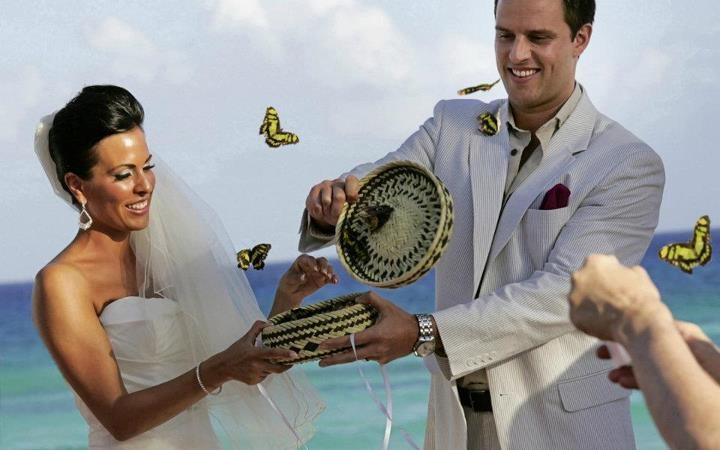
• Shoot a ton. The more photos you shoot of the same thing, the better your odds of capturing something good. Try different angles, too. In the example photo below, I popped off 20 photos from the time the couple opened the basket until the last butterfly fluttered away. The other 19 photos were decent, but they just didn’t have it like this one. I’d challenge you to shoot at least five extra frames of everything you photograph – portraits, candids, landscapes … you name it. Even with the slowest of point-and-shoot cameras, you’re sure to get better results.
• Waaait for it… Good candid photos require anticipation and patience. See the shot in your head, wait for the moment to happen and have your shutter finger ready when it does. In the example photo, I saw the kids playing under the table and then waited a few minutes for them to pop out. By being patient, the photo in my brain became reality.
• Composition. Sorry, this topic is too big for me to tackle. But I won’t leave you hanging. To learn more, click here.
Remember that there are no ironclad rules in photography. It’s totally subjective. But by following these simple tips, your photos should improve and Bremer Bank will look better to external audiences.
Craig Dirkes is a public relations writer and photographer for The Salvation Army Northern Division. To view his work, click here and here.
Photo Tips
By Craig Dirkes, Salvation Army Photographer
The Salvation Army and Bremer Bank are both large organizations with oodles of small-town branches, a model that sometimes forces rural employees to wear more than one hat.
One of those hats often bears the name Photographer. Example: The local newspaper wants a photo of your company picnic and suddenly, Penny the bank teller has to be Penny the paparazzo.
Things like that happen all the time at The Salvation Army’s 20 operation centers in Minnesota and North Dakota. As The Salvation Army’s official photo guy, our outstate employees often rely on me for photo advice. Bless their hearts, but I sometimes feel like I’m an air traffic controller guiding a terrified 12-year-old trying to land a jumbo jet. Thankfully, the airplane passengers survive with only bumps and bruises thanks to these basic tips:
• Get in close. People usually shoot too far away from their subject. In the example photo below, most folks would have shot this five or 10 feet away while standing straight up. But, by simply getting in close and crouching down to the dog’s eye level, the photo is much more interesting. This is also important for portraits. To that end, all I ask is that you never, ever tell your subject, “OK, stand over there!” and then shoot the photo from 30 feet away.
• Shoot a ton. The more photos you shoot of the same thing, the better your odds of capturing something good. Try different angles, too. In the example photo below, I popped off 20 photos from the time the couple opened the basket until the last butterfly fluttered away. The other 19 photos were decent, but they just didn’t have it like this one. I’d challenge you to shoot at least five extra frames of everything you photograph – portraits, candids, landscapes … you name it. Even with the slowest of point-and-shoot cameras, you’re sure to get better results.
• Waaait for it… Good candid photos require anticipation and patience. See the shot in your head, wait for the moment to happen and have your shutter finger ready when it does. In the example photo, I saw the kids playing under the table and then waited a few minutes for them to pop out. By being patient, the photo in my brain became reality.
• Composition. Sorry, this topic is too big for me to tackle. But I won’t leave you hanging. To learn more, click here.
Remember that there are no ironclad rules in photography. It’s totally subjective. But by following these simple tips, your photos should improve and Bremer Bank will look better to external audiences.
Craig Dirkes is a public relations writer and photographer for The Salvation Army Northern Division. To view his work, click here and here.
Monday, August 20, 2012
True Collaboration Across All Sectors
Here is an example of true collaboration between all sectors. The Philadelphia Police Department (government) made a donation of confiscated equipment to a Community Development Corporation (nonprofit). The CDC was able to create an agribusiness that will lead to small business development and job creation (business). Because of one person’s innovation, a typical process was re-framed as an innovative solution:
When police raided a former drugstore, they found a hydroponic marijuana farm of serious sophistication. Nearly 100 pot plants, from seedlings to lush, 4-foot bushes, flourished in large tubs of water. Dozens of commercial-grade grow lights powered by industrial generators shone down on a crop worth at least $43,000.
The confiscated equipment typically would have sat in a warehouse until it could be auctioned or destroyed. But Michael Jay, a detective with the Delaware County District Attorney’s Office, had a better idea: This equipment could be used to grow healthy food within urban food deserts. For those who haven’t heard the term, a food desert is an area with little or no access to foods needed to maintain a healthy diet.
The result? Today, inside a once-forsaken West Philadelphia storefront, the grow lights are giving life to a promising experiment in urban aquatic farming — not only of vegetables but herbs of the legal variety.
Read more at http://www.unsectored.net/from-weed-to-food-with-unsectored-thinking/.
Posted by Myrna Meadows, NRS, International Falls
When police raided a former drugstore, they found a hydroponic marijuana farm of serious sophistication. Nearly 100 pot plants, from seedlings to lush, 4-foot bushes, flourished in large tubs of water. Dozens of commercial-grade grow lights powered by industrial generators shone down on a crop worth at least $43,000.
The confiscated equipment typically would have sat in a warehouse until it could be auctioned or destroyed. But Michael Jay, a detective with the Delaware County District Attorney’s Office, had a better idea: This equipment could be used to grow healthy food within urban food deserts. For those who haven’t heard the term, a food desert is an area with little or no access to foods needed to maintain a healthy diet.
The result? Today, inside a once-forsaken West Philadelphia storefront, the grow lights are giving life to a promising experiment in urban aquatic farming — not only of vegetables but herbs of the legal variety.
Read more at http://www.unsectored.net/from-weed-to-food-with-unsectored-thinking/.
Posted by Myrna Meadows, NRS, International Falls
Wednesday, August 15, 2012
Finding Financial Refuge
Bremer Bank has been very involved with the African Development Center (ADC) on working with immigrants on financial literacy. Below is a summary of the programs and a list of community partners ADC has worked with on this initiative. Read more details below.
A Supportive Village for African Families in St. Cloud
It is quite evident that while most Somalis and other African immigrants live in the Twin Cities, many have located to rural Minnesota by attraction to job prospects in the food and meat-processing industries. Since 2000, there has been massive influx of African immigrants/refugees into St Cloud, Willmar, Rochester, Owatonna, Faribault, and Marshall, thus raising a huge demand for socio-economic integration amid little ethnic or racial diversity.
Read the full article.
Posted by Kathy Grochow, NRS, St. Cloud
A Supportive Village for African Families in St. Cloud
It is quite evident that while most Somalis and other African immigrants live in the Twin Cities, many have located to rural Minnesota by attraction to job prospects in the food and meat-processing industries. Since 2000, there has been massive influx of African immigrants/refugees into St Cloud, Willmar, Rochester, Owatonna, Faribault, and Marshall, thus raising a huge demand for socio-economic integration amid little ethnic or racial diversity.
Read the full article.
Posted by Kathy Grochow, NRS, St. Cloud
Monday, August 13, 2012
Benjamin's House
In January 2009, a group of interested individuals from 20 Barron County public and private organizations began meeting monthly to address the issue of rural homelessness and its negative impact on the health and well-being of people without shelter. They welcomed this opportunity to work together to create a comprehensive service delivery system to provide for basic needs and to address the issues resulting in homelessness.
The idea to develop an emergency shelter was born.
A Board of Directors was formed, and that group of dedicated volunteers worked tirelessly in 2009 to form an organizational structure to carry out its mission: To work together as a nonprofit agency with community organizations and individuals to provide housing opportunities for the homeless population in Barron County.
Benjamin’s House Emergency Shelter, Inc. (led by Stephanie Thompson, executive director, pictured left) is a homeless shelter located on Heart Island in Rice Lake, Wis. It provides safe, stable, temporary shelter (90-day maximum) for Barron County residents, single or families, working toward permanent housing with assistance from staff. The Shelter has 17 private rooms and can house up to 24 individuals.
At Benjamin’s House, focus is on the residents and their specific needs by utilizing a wraparound case management model. In addition to focusing on housing and employment, the shelter assists residents with medical and mental health resources, budgeting education, nutritional needs, and transportation assistance. Part of our goal is to help to strengthen each resident, helping them learn to make healthy choices and make sustainable changes in their lives.
The funding the shelter has received from the Otto Bremer Foundation is being used for the current project, "Supportive Services for Residents," to meet many needs of the homeless individuals staying at the shelter. These service could include transportation assistance to and from medical, dental, and mental health appointments; transportation for employment and housing searches; prescription medications; personal care items, and clothing for interviews.
Posted by Maltee McMahon, NRS, Wisconsin
The idea to develop an emergency shelter was born.
A Board of Directors was formed, and that group of dedicated volunteers worked tirelessly in 2009 to form an organizational structure to carry out its mission: To work together as a nonprofit agency with community organizations and individuals to provide housing opportunities for the homeless population in Barron County.
Benjamin’s House Emergency Shelter, Inc. (led by Stephanie Thompson, executive director, pictured left) is a homeless shelter located on Heart Island in Rice Lake, Wis. It provides safe, stable, temporary shelter (90-day maximum) for Barron County residents, single or families, working toward permanent housing with assistance from staff. The Shelter has 17 private rooms and can house up to 24 individuals.
At Benjamin’s House, focus is on the residents and their specific needs by utilizing a wraparound case management model. In addition to focusing on housing and employment, the shelter assists residents with medical and mental health resources, budgeting education, nutritional needs, and transportation assistance. Part of our goal is to help to strengthen each resident, helping them learn to make healthy choices and make sustainable changes in their lives.
The funding the shelter has received from the Otto Bremer Foundation is being used for the current project, "Supportive Services for Residents," to meet many needs of the homeless individuals staying at the shelter. These service could include transportation assistance to and from medical, dental, and mental health appointments; transportation for employment and housing searches; prescription medications; personal care items, and clothing for interviews.
Posted by Maltee McMahon, NRS, Wisconsin
Thursday, August 9, 2012
Bremer Hosts Day Camp – Exposes Teens to Career Paths
Marshall-area high school students explored their interests and began developing their future at the second annual Youth Housing Careers Day Camp, this August. The camp offers a multitude of resources, experiences and opportunities, all designed to help youth gravitate toward a successful career path of their choice.
"It is really a very comprehensive, very involved, very busy three days because we cover a lot of information and the youth get exposed to a lot of different things within a very compact period of time," said Ethan Bates, community coordinator for Achieve Homeownership, a Housing Partnership program. "It's really an approach to learning more about where their interests lie rather than being herded into a cookie-cutter field."
While all up students are welcome to attend, Bates said the camp primarily targets youth from diverse households, particularly first-generation Americans. "The reason being is that generally, in greater Minnesota, there aren't a lot of programs that specifically target those youth, particularly youth who have recently come to the United States," he said. "And they are some of the most at-risk of either not finishing high school or not really pursuing anything beyond high school."
Bremer Bank was one of the program’s tour sites, where students had the chance to see all the bank’s different departments, including insurance, mortgage lending, personal banking, business and agriculture.
“These young people asked questions about what's good to know about working in a bank, where is the money kept, how much does it cost to rent a safe deposit box, do they need to be good at math, how does FDIC insurance work?” said Lois Schmidt, Nonprofit Resource Specialist at Bremer Bank. “We were happy to host this tour, and hope to see everyone again soon!”
The students spent about an hour and a half at the bank, meeting with Bremer Bank President Cindy Verschaetse and personal banker Hayley Hennen. They also watched the "Bremer Story" DVD. “Watching the movie sparked several questions about Otto!” said Schmidt. “I heard one student comment, what a generous man!"
Posted by Lois Schmidt, NRS, Willmar
"It is really a very comprehensive, very involved, very busy three days because we cover a lot of information and the youth get exposed to a lot of different things within a very compact period of time," said Ethan Bates, community coordinator for Achieve Homeownership, a Housing Partnership program. "It's really an approach to learning more about where their interests lie rather than being herded into a cookie-cutter field."
While all up students are welcome to attend, Bates said the camp primarily targets youth from diverse households, particularly first-generation Americans. "The reason being is that generally, in greater Minnesota, there aren't a lot of programs that specifically target those youth, particularly youth who have recently come to the United States," he said. "And they are some of the most at-risk of either not finishing high school or not really pursuing anything beyond high school."
Bremer Bank was one of the program’s tour sites, where students had the chance to see all the bank’s different departments, including insurance, mortgage lending, personal banking, business and agriculture.
“These young people asked questions about what's good to know about working in a bank, where is the money kept, how much does it cost to rent a safe deposit box, do they need to be good at math, how does FDIC insurance work?” said Lois Schmidt, Nonprofit Resource Specialist at Bremer Bank. “We were happy to host this tour, and hope to see everyone again soon!”
The students spent about an hour and a half at the bank, meeting with Bremer Bank President Cindy Verschaetse and personal banker Hayley Hennen. They also watched the "Bremer Story" DVD. “Watching the movie sparked several questions about Otto!” said Schmidt. “I heard one student comment, what a generous man!"
Posted by Lois Schmidt, NRS, Willmar
Monday, August 6, 2012
Psychic Welders
Forbes magazine recently reported on a gathering of 400 persons in Silicon Valley, to clarify the role of entrepreneurship and innovation in economic growth. The Global Innovation Summit suggested shifting the focus from subsidizing individual projects to growing entire ecosystems of vibrant entrepreneurship and innovation. They called such systems Rainforests. Read about the key lessons.
One of my favorites: Be a “psychic welder.” This is the phrase that Nola Masterson, a Silicon Valley entrepreneur and venture capitalist, used to describe her method of connecting people together to create value. Innovation ecosystems thrive on human connectivity, not just raw inputs. That sounds like what we nonprofits already do, doesn’t it?
Myrna Meadows, NRS, International Falls
One of my favorites: Be a “psychic welder.” This is the phrase that Nola Masterson, a Silicon Valley entrepreneur and venture capitalist, used to describe her method of connecting people together to create value. Innovation ecosystems thrive on human connectivity, not just raw inputs. That sounds like what we nonprofits already do, doesn’t it?
Myrna Meadows, NRS, International Falls
Subscribe to:
Posts (Atom)